
ご祭神
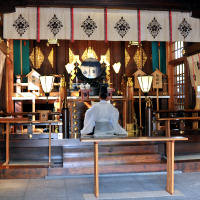
戊辰の役(明治元年)以降国難に殉ぜられた
兵庫県西南部地域(播州、但馬地区)出身の
護国の「みたま」五万六千九百八十八柱命
沿革
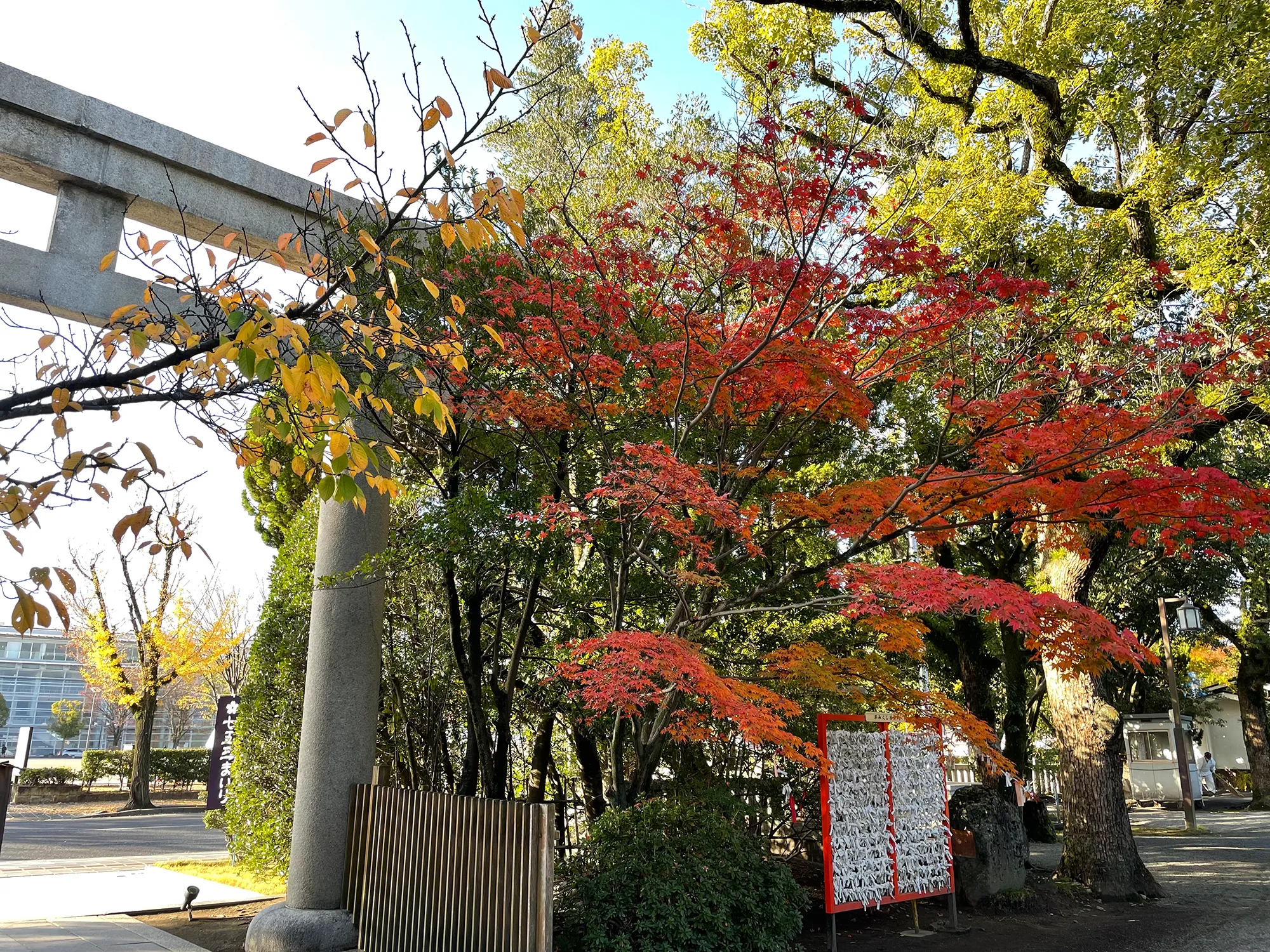
姫路城前の道路は交通量も多く町の喧騒も聞こえますが、護国神社の鳥居を一歩入ると木々の緑が鮮やかに目に飛び込んでき、静寂につつまれ一瞬身が引き締まる思いになります。拝殿に向かう参道を進みながら日本の美しい心に触れることが出来ます。
全国に護國神社は五十二社ありますが、祖先や共同体に尽くした人々を神として祀り同時にその神様は子孫やその共同体を守ってくださるという古来日本人の宗教観、祖先感に根ざした伝統的習俗の基礎の上に明治の御世になって建立されました。坂本竜馬に代表される幕末維新の戦役・国事に殉じた人々を各藩で招魂場を設け慰霊祭を行ったのが始まりです。幕末には明治維新に大きく影響を及ぼした天誅組の変、県内では生野の変などがあり、幕府側であった姫路藩には甲子の獄といわれる事件がありました。
全国では維新を目前にして倒れた志士たちの御霊を奉祀するために、京都・東山の霊山の佳域社を創建せよとの明治天皇様の詔・御沙汰が発せられ、京都の霊山の山頂にそれぞれの祠宇を建立したのが京都霊山護國神社創建のはじまりであります。県内では現在の朝来市山口というところで、はじめて招魂祭が執り行われています。
明治26年より兵庫県官民合同にて現護國神社鎮座地付近にて 招魂祭 が執行されてきましたが、殉国の「みたま」に常時崇敬報謝の誠を捧げ、ご遺徳を永く追憶しなければならないとの機運が興り、兵庫県招魂社造営奉賛会(会長 兵庫県知事)を組織し、県民挙げてこれに奉賛しました。
内務大臣の創立許可を得て姫路白鷺城の麓の地をトし、昭和十三年四月二十七日竣工、神霊奉鎮の祭儀が執行されました。昭和十四年内務省令に基づき、招魂社は護國神社に改称されました。
終戦後昭和二十一年八月二十八日、神社の維持継承をはかるために白鷺宮と改称し危機的状況を脱し、サンフランシスコ講和条約発効後、昭和二十九年再び護國神社と復称しました。この間、昭和三十五年より八度にわたって、天皇皇后陛下より幣帛料および幣饌料を賜りました。
The History of Gokoku Shrine (5-1)
The Beginning of Modern Japan, the Meiji era (starting in 1867) was the beginning of modern Japan. During this time, Japan changed from an old system to a new government under the Emperor. There were many difficult discussions and battles to make Japan a strong, independent country.
The Origin of This Shrine In 1893, a special ceremony was held here in Himeji. It was for the people who fought and died to build the new Japan. This was the start of Gokoku Shrine.
This shrine is dedicated to the souls of those who perished in service to the country from ancient times until the end of the Showa era. Known as ‘Eirei’ (Heroic Spirits), they are enshrined as divine deities who continue to watch over the peace of our nation, our regions, and the loved ones they fought to protect.
A Prayer for Peace Today, we live in a peaceful and rich country because of them. Let’s remember their hard work, say “thank you,” and pray for a happy future.
Continued to 5-2
The History of Gokoku Shrine (Part 5-2)
The Greater East Asia War, fought between Japan and nations including the United States and Great Britain, was a conflict of extreme devastation. Japan faced a desperate scarcity of domestic resources, exacerbated by the severing of vital supply lines.
Conditions were particularly harrowing in the southern theaters, such as Luzon Island in the Philippines—the site where the units commemorated on the “Philippines Sange Monument” (Monument to the Fallen in the Philippines) were deployed. In these regions, soldiers faced the total depletion of both weaponry and food supplies. Compounded by the ravages of tropical diseases like malaria, the troops reached the absolute limits of exhaustion. Ultimately, many succumbed to these brutal conditions, leaving very few survivors.
It was not until April 1958 (Showa 33), thirteen years after the war’s end, that the Japanese government conducted a formal mission to recover the remains of the fallen from the Philippines. To honor their shared sacrifice, surviving comrades-in-arms gathered at Gokoku Shrine to extol the heroic deeds of the Eirei (Heroic Spirits) and erected this stone monument in their memory.
The surviving letters and last testaments of those who went to the front—whether drafted or volunteered—are filled with a resolute spirit of national defense. Their writings reveal a fierce determination to protect the motherland from air raids and a profound, enduring devotion to the safety of their families.
Continued to 5-3
The History of Gokoku Shrine (Part 5-3)
Since the dawn of the Meiji Restoration, more than 2.46 million heroic souls who fell in battle have been enshrined nationwide. At this Gokoku Shrine, we solemnly enshrine 56,988 individuals from our local region.
Following the First Sino-Japanese and Russo-Japanese Wars, many lives were lost in the Great East Asia War. This conflict is often characterized as being driven by the “ideal and vision of liberating Asian nations from Western colonial rule and fostering regional independence.”
Beginning with the Manchurian Incident in 1931 (Showa 6) and lasting until 1945 (Showa 20), Japan endured a long and grueling struggle. Ultimately, faced with a scarcity of resources and financial strength, the nation met with defeat. For approximately six years and eight months following the war, Japan remained under Allied occupation, during which many of the nation’s traditional values and cultural expressions were restricted.
During this period, to ensure the continuity of our sacred rites, this shrine was renamed “Shirasagi-no-miya” (The Egret Shrine). It was only in 1952 (Showa 27), upon the restoration of Japan’s sovereignty, that we were able to reclaim the name Gokoku Shrine. In August 1953 (Showa 28), the House of Representatives unanimously passed a resolution concerning the pardon of those imprisoned for war crimes. This landmark decision effectively restored the honor of those who had been labeled “war criminals” by the Tokyo Tribunal, acknowledging them once again as members of the national community.
Continued to 5-4
The History of Gokoku Shrine (Part 5-4)
The Second World War was a “total war,” demanding the collective mobilization of both the nation and its people.
Even students over the age of twenty, who were in the midst of their academic pursuits, were called to the front lines. The National Stadium, famous for hosting the Tokyo Olympics, stands on the very site where the Student Mobilization Farewell Ceremony was held in 1943 (Showa 18).
On the home front, citizens—regardless of gender—dedicated themselves to the war effort through community service and factory labor. The “Kadoryu Monument” on these grounds was erected to honor a Grand Master who traveled to the front lines to provide comfort and morale to the soldiers, only to perish in the line of duty.
It is vital for those of us living today to study and understand the circumstances of that era. While we have the privilege of viewing history objectively through archival records, the “Eirei” (Heroic Souls) who lived through those tumultuous times were faced with a profound national crisis. They acted out of a conviction that the only righteous path was to risk their lives to protect their nation, their communities, and their families.
For future generations, it is of the utmost importance that we continue to honor their sacrifice and express our sincere gratitude for their devotion.
Continued in Part 5-5
History of Gokoku Shrine (5–5)
There are more than eighty thousand Shinto shrines throughout Japan.
For over thirteen hundred years, since before the compilation of Kojiki, the oldest historical chronicle of Japan, the Japanese people have revered nature and their ancestors, offering gratitude and enshrining the myriad gods.
The reason we are alive today is thanks to the blessings of nature and the lives passed down from our ancestors.
The deities enshrined at Gokoku Shrine are not distant beings, but spirits of our own ancestors. Among your many forebears, there are surely heroic spirits who devoted themselves to the nation. Please turn back and look once more at the shrine building.
You may feel the gentle gaze with which they continue to watch over their descendants.
By learning the history of this shrine, please bow your head once more and offer your gratitude.
This is a place where your prayers will be heard.




